Close Menu
    What's Hot

    World Water Day Special Interview

    June 13, 2026

    How To Choose The Right Plastic Manufacturing Process

    June 13, 2026

    Innovative Applications of Antimicrobial Additives In Plastic Manufacturing

    June 13, 2026
    Facebook X (Twitter) Instagram
    Monday, June 15
    Trending
    • World Water Day Special Interview
    • How To Choose The Right Plastic Manufacturing Process
    • Innovative Applications of Antimicrobial Additives In Plastic Manufacturing
    • Maximizing Outdoor Product Lifespan with UV Stabilizers In Plastic Additives
    • Molecular Ring Technology Opens New Possibilities for Smart Polymer Materials
    • Natural Polymers Gain Importance in Next-Generation Fluorine-Free Firefighting Foams
    • Uzbekistan Expands Polymer Packaging Industry with New Kmita Polymers Facility
    • Advanced Polymer-Based Lubricants Transform Efficiency in Modern Wire Drawing Operations
    Modern Polymers Global
    • Home
    • About
    • Polymer News
    • Polymer Additives
    • Polymer Recycling
    • Team
    • Contact
    Modern Polymers Global
    Home»Polymer Applications»Middle East Conflict Disrupts Global Polymer Trade, Sending Prices Higher
    Polymer Applications

    Middle East Conflict Disrupts Global Polymer Trade, Sending Prices Higher

    polymersglobalBy polymersglobalJune 12, 2026Updated:June 13, 2026No Comments2 Mins Read
    Share Facebook Twitter Pinterest LinkedIn Tumblr Email WhatsApp Copy Link
    Follow Us
    Google News Flipboard Threads
    Share
    Facebook Twitter LinkedIn Pinterest Email Copy Link
    Post Views: 5

    Global polymer markets witnessed significant disruption this week as the ongoing conflict in the Middle East continued to impact production, logistics, and pricing across key petrochemical supply chains.

    Trading activity, which had largely stalled earlier, began to gradually resume in major markets including India, Turkey, and parts of Africa. However, suppliers reported substantial price increases across polyethylene (PE), polypropylene (PP), and polyvinyl chloride (PVC) markets as supply concerns intensified.

    The situation worsened following reports of operational disruptions at major energy and petrochemical facilities in the region. Supply chain participants cited raw material shortages, logistical bottlenecks, and rising freight costs as major factors contributing to market instability.

    Several polymer producers have already adjusted production rates in response to feedstock constraints. Market sources indicate that reduced availability of naphtha and other petrochemical feedstocks has started affecting downstream polymer manufacturing operations across Asia and the Middle East.

    The impact has been particularly visible in the polypropylene and polyethylene sectors, where buyers reported sharp increases in import offers. Rising freight charges have further added to procurement costs, making material sourcing increasingly challenging for converters and processors.

    PVC markets have also experienced supply pressure, with some suppliers temporarily suspending offers due to limited shipping availability and elevated transportation costs. Industry participants noted growing concerns regarding delivery schedules and the availability of confirmed cargoes.

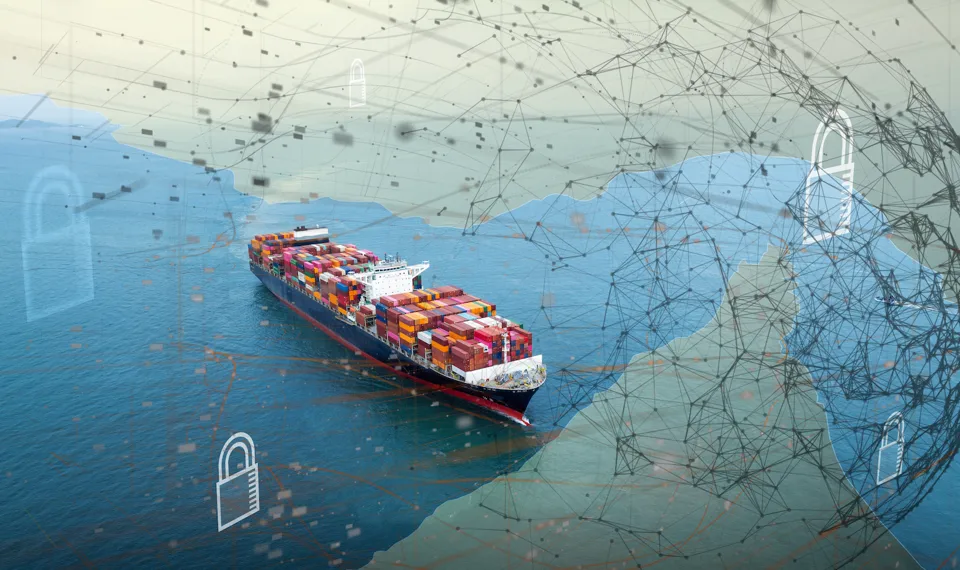
    Meanwhile, disruptions to shipping routes and delays around critical maritime trade corridors have tightened supply conditions for several petrochemical products. Market analysts believe these challenges could continue to affect global polymer availability in the coming months if geopolitical tensions remain unresolved.

    Feedstock markets have also reacted strongly. Higher energy costs and concerns over raw material availability have supported price increases across multiple petrochemical value chains, including olefins and derivatives.

    Industry observers expect continued volatility across polymer markets as manufacturers, traders, and end-users closely monitor developments in the region. Until supply chains stabilize, pricing trends are likely to remain highly sensitive to geopolitical events and logistics disruptions.

    The ongoing situation highlights the strategic importance of the Middle East in global polymer production and reinforces concerns about supply security for industries dependent on imported petrochemical materials.

    #AMI #ICIS #polymer #polymersglobal #modernpolymersglobal #modernpolymersindia

    Author

    • polymersglobal
      polymersglobal
    Share. Facebook Twitter Pinterest LinkedIn Tumblr Email WhatsApp Copy Link
    polymersglobal

    Related Posts

    Polymer Applications

    Recycled Polymer Markets Follow Virgin Resin Price Surge Amid Ongoing Iran Conflict

    June 12, 2026
    Polymer Applications

    Consumer Electronics Drives Growth in Global Piezoelectric Polymers Market

    June 12, 2026
    Top Posts

    World Water Day Special Interview

    June 13, 2026

    Consumer Electronics Drives Growth in Global Piezoelectric Polymers Market

    June 12, 2026

    MIT Scientists Develop Tougher Polymers with Enhanced Impact Resistance

    June 12, 2026

    Corporate Plastics Disclosures Rise as Sustainability Reporting Gains Momentum

    June 12, 2026
    SML Banner

    Modern Polymers Global is a trusted supplier of high-quality polymer materials, serving industries with reliable products and global sourcing solutions. We are committed to quality, innovation, and customer satisfaction.

    Our Picks

    World Water Day Special Interview

    June 13, 2026

    How To Choose The Right Plastic Manufacturing Process

    June 13, 2026
    Most Popular

    Traceless announces first industrial facility for natural polymer technology

    June 11, 2026

    Consumer Electronics Drives Growth in Global Piezoelectric Polymers Market

    June 12, 2026
    © 2026 Modern Polymers Global All Rights Reserved.Designed by Chrysolite Media Network Pvt. Ltd.

    Type above and press Enter to search. Press Esc to cancel.